




Stainless Pots and Pans NZ: The MasterPiece Range Buying Guide

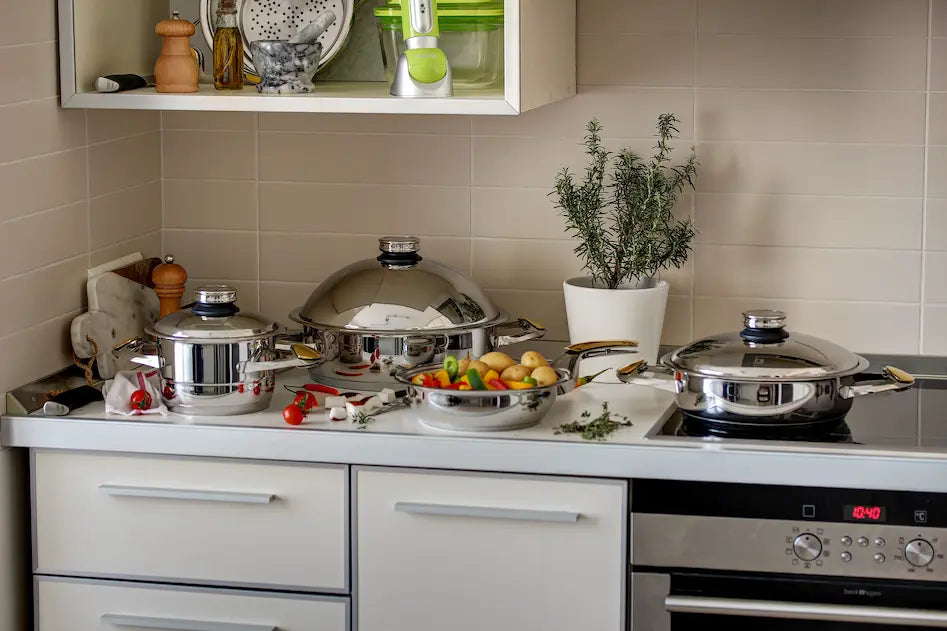
Quick answer: The best stainless pots and pans for most NZ homes are durable stainless steel pieces that match how you actually cook: a daily pot, a casserole, a frying pan, a larger family pot and lids that fit well. We recommend starting with the MasterPiece cookware range, then choosing individual stainless pots, frying pans or cookware sets based on your household size, cooktop and favourite meals.
Why stainless pots and pans are a smart NZ kitchen upgrade
Stainless pots and pans are popular because they feel solid, look timeless and suit a wide mix of everyday cooking. They can handle boiling, simmering, searing, sautéing and oven finishing when the specific product instructions allow it. For a new or unsure buyer, the main challenge is not deciding whether stainless steel is useful. The challenge is choosing the right shapes and sizes without buying pieces that sit unused.
That is where we recommend looking at the range as a system. A good stainless setup should cover your daily meals first: porridge, pasta, rice, soups, vegetables, sauces, eggs, fish, chicken, roasts and one-pan family dinners. Our MasterPiece cookware information page is a helpful starting point if you want to understand the range, while the stainless steel cookware NZ guide gives a broader overview of grades, cooking style and care.
What makes the MasterPiece range different?
The MasterPiece range is built for people who want cookware that looks premium, feels substantial and can become part of the kitchen for years. Instead of treating pots, pans and lids as random separate items, we see the range as a coordinated cooking platform. You can start with one everyday pot, then add a frying pan, casserole, larger pot, wok or lid as your cooking habits become clearer.
For shoppers who want to browse the full range first, we recommend opening the MasterPiece cookware collection. If you already know you need boiling, steaming or soup capacity, compare the 4.2 litre 20 cm pot, the 5.0 litre 20 cm pot and the 7.0 litre 24 cm pot. If your priority is searing, browning and fast meals, compare the 24 cm URA frying pan with lid and the 28 cm URA frying pan with lid.
How to choose stainless pots and pans without overbuying
Before choosing a full set, think about your real weekly meals. A one or two person home often needs fewer pieces, but those pieces should be versatile. A family kitchen usually benefits from one larger pot and one larger pan so food has room to cook evenly. If you cook in batches, make soups or prepare meals for guests, capacity matters more than the total number of items in a box.
We usually recommend building around these core roles:
- Everyday pot: for rice, pasta, vegetables, sauces and reheating. Start with the 4.2 litre 20 cm pot if you want a flexible daily size.
- Family pot: for soups, stocks, larger pasta dishes and batch cooking. The 7.5 litre 28 cm pot suits bigger meals and entertaining.
- Casserole: for stews, sauces, braises and one-pot cooking. Compare the 3.0 litre 20 cm casserole and the 4.0 litre 24 cm casserole.
- Frying pan: for searing, browning and quick dinners. Our Zepter URA frying pan guide explains where this style fits.
- Specialist pan: for stir-fry, larger vegetables and fast high-movement cooking. See the Zepter wok with lid and analog Thermocontrol.
Stainless pots vs stainless pans: what each does best
Pots are best when the food needs depth, liquid, volume or steady simmering. Think pasta, soup, potatoes, stock, vegetables, grains and sauces. Pans are best when the food needs surface contact, browning or quick moisture evaporation. Think steak, salmon, chicken, mushrooms, omelettes, pancakes and sautéed vegetables.
For many NZ homes, the best setup is not a huge set. It is a balanced group: one everyday pot, one bigger pot, one casserole and one frying pan. If you are comparing pan options, read our stainless steel pan NZ guide and our guide to what type of pan is best for frying. If you want a broader set decision, our pot and pan set guide NZ walks through the buying choice.
Key features to check before you buy
Cooktop compatibility
Check that the base suits your cooktop, especially if you use induction. A flat, stable base matters because it helps the pot or pan sit properly on the element. For more help, compare our induction cookware NZ guide and induction cooktop pans guide.
Size and capacity
Capacity should match household size and cooking habits. A 20 cm pot can be excellent for daily use, while a 24 cm or 28 cm piece gives more space for batch cooking. Shallow wide cookware is useful when you want reduction and browning. Taller cookware is useful when you want volume and less splatter.
Lids and temperature control
A good lid can change how often you use a piece of cookware. Lids help with simmering, resting, reheating and moisture control. Explore Syncro Click lids, universal lids and Thermocontrols if you want to build a more complete cooking setup.
Pros and trade-offs of stainless steel cookware
Stainless steel cookware is durable, versatile and suitable for many cooking tasks. It does not rely on a disposable non-stick surface, so buyers who dislike coated pans often prefer it. It also looks clean in a modern kitchen and can move from everyday cooking to serving when the design suits the table.
The trade-off is technique. Food can stick if the pan is too cold, too hot, overcrowded or not given enough time to release. Stainless steel can also show water spots, rainbow marks or baked-on residue if it is not cleaned properly. These are normal care issues, not automatic reasons to replace the pan. For a balanced view, read our downsides to stainless steel cookware guide and our is stainless steel the best cookware guide.
How to cook with stainless pots and pans
Use moderate heat first. Stainless steel holds and transfers heat well, so blasting the element is rarely the best starting point. Let the pan warm, add oil or ingredients at the right time and give food space. When searing proteins, wait before moving them. Food often releases more easily once a crust has formed.
For pots, match the element to the base size, stir when needed and avoid letting salty water sit cold in the pot for long periods. Add salt after water is hot and stir to dissolve it. For pans, avoid overcrowding because moisture can stop browning and encourage sticking. These small habits make stainless cookware easier to enjoy.
Care and cleaning tips
Let cookware cool before washing. Sudden temperature changes can be hard on metal cookware and may affect flatness over time. Wash with warm water, mild detergent and a non-scratch sponge. For stuck-on food, soak first, then loosen gently. Dry after washing to reduce water spots.
Avoid harsh scraping, steel wool and abrasive cleaners unless the product care guide specifically allows them. If you want to keep your cookware looking polished, clean residue before it builds up. For broader kitchen choices, our best non toxic cookware NZ guide explains why material choice, care and correct use matter more than marketing labels.
Which MasterPiece pieces should you start with?
If you are starting from scratch, we recommend three strong options. First, choose a daily pot from the pots collection. Second, add a frying pan from the frying pans collection. Third, decide whether a casserole, wok or larger pot better matches your meals. This approach gives you useful cookware now and leaves room to expand later.
If you prefer a more complete purchase, browse cookware sets. If you want to see everything before choosing, go to all Cookwares NZ products. If you like learning before buying, join the Cooking Club or compare our nutrition preservation comparison chart.
FAQs
Is it healthy to cook with stainless steel pans?
Stainless steel pans are a practical choice for everyday cooking when they are good quality, used as directed and kept in good condition. They do not rely on a disposable non-stick coating, but they still need correct heat control and cleaning.
What should not be cooked in stainless steel?
You can cook most everyday foods in stainless steel, but delicate sticky foods need more technique. Very acidic or salty foods should not be left sitting in the pan for long periods after cooking, because good care helps protect the surface.
Is stainless steel the best cookware?
Stainless steel can be one of the best all-round cookware choices for buyers who value durability, versatility and a premium feel. It is not automatically best for every person, because non-stick, cast iron and ceramic all suit different cooking styles.
What are the downsides to stainless steel cookware?
The main downsides are that food can stick if heat is not managed well, cleaning can take more effort after high-heat cooking, and cheaper pieces may heat unevenly. Choosing the right base, size and care routine helps reduce these issues.
Is stainless steel cookware dishwasher-safe or does it need hand-washing?
Some stainless steel cookware may be dishwasher-safe, but hand-washing is usually the gentler option for long-term appearance. Always follow the product care instructions, then dry the cookware after washing to help reduce water spots.
Is stainless steel cookware oven-safe, and what temperatures should I watch for?
Oven safety depends on the specific pot, pan, lid and handle materials. Check the product instructions before using stainless steel cookware in the oven, and pay attention to lids, knobs and removable temperature accessories.
What should I look for when buying stainless steel cookware?
Look for a stable base, comfortable handles, useful sizes, compatible lids, cooktop suitability and clear care instructions. It is better to buy pieces that match your real meals than to buy a large set with items you rarely use.
How do I choose the right size of stainless steel cookware?
Choose size by household and meal type. A smaller pot suits sauces, rice and vegetables, a medium casserole suits everyday family meals, and a larger pot suits pasta, soups, stocks and batch cooking.
How long should good-quality stainless steel cookware last?
Good-quality stainless steel cookware can last for many years when used and cared for correctly. Longevity depends on construction, heat control, cleaning habits, storage and whether the cookware is used within its product guidance.
How do I clean and care for stainless steel cookware?
Let the cookware cool, wash with warm water and mild detergent, use a non-scratch sponge and dry after washing. For stuck food, soak first rather than scraping aggressively, and avoid sudden temperature shock.
Next steps
- Shop the MasterPiece cookware range
- Compare cookware sets
- Browse stainless pots
- Browse frying pans
- Learn about MasterPiece cookware features
- Read the stainless steel cookware NZ guide
- Use the pot and pan set guide NZ
- Check if it is healthy to cook with stainless steel pans