


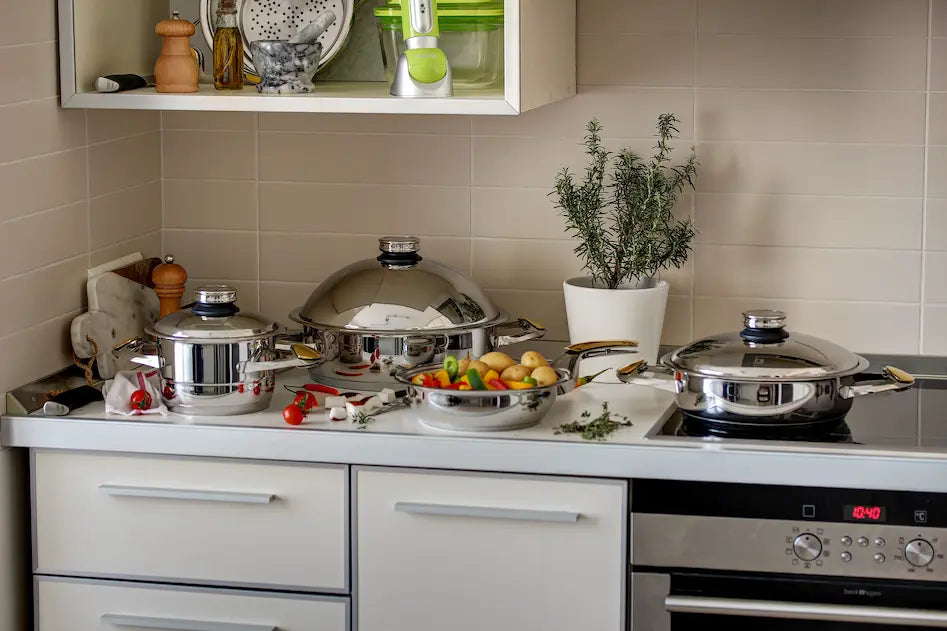


What Are the Downsides to Stainless Steel Cookware? What NZ Buyers Should Know

Stainless steel cookware does have a few downsides, but for many NZ kitchens they are manageable trade-offs rather than deal-breakers. The main challenges are a learning curve with heat control, a greater chance of sticking if you rush the preheat, a heavier feel than some alternatives, and a higher upfront cost for better-made pieces. In return, you get durability, versatility, and cookware that can serve you well for years.
If you are comparing options, our Masterpiece Cookware collection and frying pans collection are good places to start because they show how thoughtful construction can make stainless steel easier to use every day.
Why people ask about the downsides
Many first-time buyers hear that stainless steel is premium cookware, then feel unsure when they also hear it can stick or take practice. That concern is fair. Stainless steel is less forgiving than some non-stick surfaces, especially if you cook on heat that is too high, add food before the pan is ready, or choose very light construction. The good news is that these issues usually come down to technique and build quality, not because stainless steel is a poor material.
The real downsides of stainless steel cookware
1. It has a learning curve
The most common frustration is sticking. Stainless steel rewards a simple routine: preheat gently, add oil once the pan is ready, and let food release naturally before turning it. Once you get that rhythm, everyday cooking becomes much easier.
2. Better performance usually costs more upfront
Cheap stainless steel can heat unevenly and create hot spots. That is often what gives the material a bad name. Better cookware tends to use stronger construction and a more effective heat-conducting core, which improves consistency and makes the cooking experience more enjoyable. The upfront spend can be higher, but many buyers see it as long-term value.
3. It can be heavier than lightweight alternatives
Well-built stainless steel cookware often feels solid in the hand. That can be reassuring for stability and heat retention, but some people prefer a lighter pan for quick daily use. Choosing the right size matters here. A pan or pot that matches your household and cooking style is usually easier to lift, wash, and store.
4. It shows marks and heat tint
Stainless steel is tough, but it is not always spotless-looking. Water spots, rainbow heat tint, and browned residue can appear over time. These marks are usually cosmetic rather than performance issues, and with the right cleaning approach they are often easy to manage.
5. It is not the easiest option for every food
Very delicate foods can need a bit more attention in stainless steel than in dedicated non-stick cookware. Eggs, flaky fish, and sugary sauces often benefit from careful heat control. For many households, that is not a reason to avoid stainless steel. It simply means matching the cookware to the task and using the right technique.
Why these downsides are often worth it
For many buyers, the trade-off is simple: stainless steel asks more from the cook at the start, then gives back in durability, browning performance, oven versatility, and a longer service life. We like it because it is an all-rounder. Instead of treating the material as difficult, it is more accurate to think of it as responsive. When the construction is good and the technique is right, it becomes a dependable everyday option.
How to make stainless steel easier to live with
Start with low to medium heat rather than blasting the pan. Preheat before adding oil. Pat proteins dry so they sear rather than steam. Do not move food too early. Let pans cool before washing, and use a soft sponge with a suitable cleaner when needed. Small habits like these can reduce sticking, preserve the finish, and make the cookware feel much more forgiving.
What to look for if you want fewer downsides
If you want the benefits of stainless steel without as much frustration, focus on construction, not just appearance. Look for cookware with even heat distribution, secure handles, practical capacities, and pieces that suit the meals you actually cook. A well-chosen pot or pan will usually feel easier to use than a cheaper piece bought only for the price tag.
It also helps to compare your options as a set. A smaller frypan, a versatile saucepan, and a larger stockpot each solve different kitchen needs. Our guide to choosing a stainless steel pan in NZ can help you narrow that down.
FAQs
Is it healthy to cook with stainless steel pans?
For most home cooks, quality stainless steel is a practical and widely used option. We recommend choosing well-made cookware, following the care instructions, and using the right heat for the best cooking experience.
What should not be cooked in stainless steel?
Very delicate foods can stick if the pan is not preheated properly, and highly acidic dishes are often better cooked briefly rather than left sitting in the pan for long periods. In everyday cooking, technique matters more than the material itself.
Is stainless steel the best cookware?
It depends on how you cook. Stainless steel is one of the best all-round choices for durability, searing, browning, oven use, and long-term value, especially if you want cookware that can last for years.
Is stainless steel cookware dishwasher-safe or does it need hand-washing?
Many stainless steel pieces are dishwasher-safe, but we find hand-washing helps keep the finish looking better for longer. Let the cookware cool first, then wash with warm water, mild detergent, and a soft sponge.
What should I look for when buying stainless steel cookware?
Look for solid construction, an even-heating core, secure handles, a well-fitting lid, compatibility with your cooktop, and sizes that match what you actually cook. Good design usually makes the learning curve much easier.
How do I clean and care for stainless steel cookware?
Use low to medium heat, preheat before adding oil, avoid harsh thermal shock, and clean after the pan has cooled. For stubborn marks, a non-abrasive cleaner made for stainless steel can help restore the surface.
Next steps
- Read our stainless steel cookware guide
- Learn about cooking with stainless steel pans
- Compare pot and pan set options in NZ