


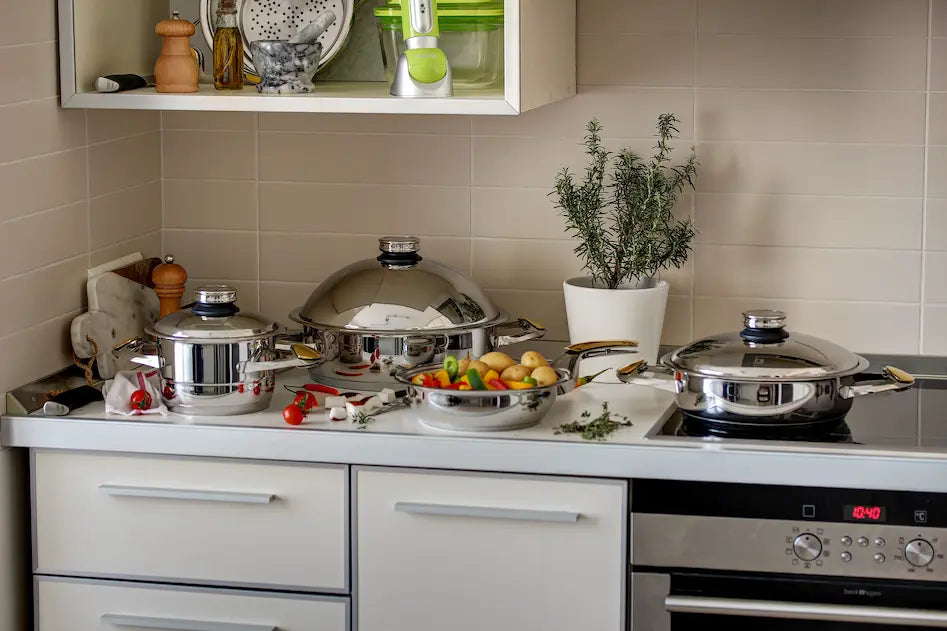


Is It Healthy to Cook With Stainless Steel Pans?

Stainless steel pans are generally a healthy option for everyday cooking because the surface is durable, non-reactive for most foods, and does not rely on a fragile coating. We still recommend choosing good-quality cookware, preheating properly, and using low to medium heat for best results.
Why stainless steel is considered a healthy cookware choice
For many home cooks in New Zealand, stainless steel sits in the sweet spot between performance, durability, and peace of mind. Unlike coated pans that can wear down over time, stainless steel cooking surfaces are made to handle regular use without a finish that flakes or peels under normal care.
Another reason many people see stainless steel as a healthy choice is that it is suitable for a wide range of foods. It is far less reactive than bare aluminium or uncoated cast iron when you are cooking tomato-based sauces, wine reductions, or other acidic ingredients. That makes it a practical everyday option for families who want one pan type that can handle breakfast, dinner, and batch cooking.
When you are comparing options, it helps to start with cookware built for regular use, such as our frying pans and Masterpiece Cookware collection. Good construction matters because even heat and a stable cooking surface make healthy cooking easier.
What makes stainless steel different from other pans
No fragile non-stick coating to manage
Stainless steel does not depend on a top coating for its core performance. That appeals to buyers who want a long-lasting pan and do not want to replace cookware often. With the right preheat and a small amount of oil, stainless steel can handle many everyday tasks well.
Strong resistance to staining, rust, and wear
High-quality stainless steel is designed to resist corrosion and surface damage in normal kitchen conditions. It can also look good for years with simple care, which makes it attractive for households that want cookware that feels dependable rather than disposable.
Works well with modern cooktops
Many stainless steel pans are compatible with gas, ceramic, and induction cooking, depending on the base design. If you are also comparing hob compatibility, see our guide to cookware for induction cooktops.
Are there any health concerns with stainless steel?
In normal home use, stainless steel is widely considered a safe cookware material. The main point to understand is that not all stainless steel pans are built the same. Better-quality cookware tends to have more consistent construction, better heat control, and stronger resistance to warping or pitting.
Some people ask whether metals can move into food during cooking. Small amounts can transfer in certain situations, especially with long cooking times, high heat, or very acidic dishes. For most people, this is not considered a practical issue in everyday cooking. If someone has a specific nickel sensitivity or another medical concern, it is sensible to seek personalised advice from a qualified health professional.
From a practical kitchen perspective, the bigger day-to-day issue is usually technique, not the steel itself. Overheating empty pans, using harsh cleaners constantly, or storing salty liquid in the pan for hours can shorten its lifespan and make cooking less pleasant.
How to make stainless steel cooking healthier and easier
Preheat before adding oil or food
A properly preheated pan helps food release more easily and can reduce the urge to use excess fat. Start on low to medium heat, let the pan warm gradually, then add oil just before the food goes in.
Avoid very high heat unless the recipe needs it
Stainless steel holds heat efficiently, especially when it has an aluminium or copper core. In many cases, medium heat is enough. Using more heat than needed can increase sticking, make cleanup harder, and affect delicate ingredients.
Use the right pan for the job
A sauté pan, saucepan, stockpot, and frying pan all support different cooking styles. Choosing the right shape helps with portion control, moisture retention, and even cooking. If you are still weighing up options, our guides to stainless steel cookware and stainless steel pans in NZ can help narrow things down.
Clean it promptly and gently
Routine care matters. Wash after the pan has cooled, use a non-abrasive sponge for everyday cleaning, and save stronger methods for stubborn residue. A well-kept pan performs more consistently and is easier to cook with.
What should you look for when buying stainless steel pans?
If health, durability, and ease of use are your priorities, focus on the construction rather than just the finish. We recommend checking these points:
- Multi-ply or heavy-base construction for more even heating
- A snug lid when you want better moisture and heat control
- Comfortable handles that feel secure when lifting
- Compatibility with your cooktop, especially induction
- Oven-safe design if you like stovetop-to-oven cooking
- A size that suits your household and usual meal prep
People often ask whether stainless steel is the best cookware overall. In reality, the best choice depends on what you cook most often. Stainless steel is especially strong for searing, sautéing, simmering, and longer-term value. It may not replace every specialty pan in your kitchen, but it is one of the most versatile foundations for an everyday cookware setup.
Common downsides to know before you buy
Stainless steel is not perfect, and that is worth knowing upfront. Food can stick if the pan is not preheated correctly. It can also take a little practice if you are moving over from non-stick cookware. Some premium stainless steel ranges are a bigger upfront investment too, although many buyers see value in the longer lifespan.
You may also notice discolouration, water spots, or cooked-on residue from time to time. These issues are usually cosmetic or easy to clean, but they can surprise first-time buyers. Good care and realistic expectations go a long way.
Is it healthy to cook with stainless steel pans?
Yes, for most households stainless steel pans are a healthy and practical choice. They are durable, suitable for many everyday recipes, and do not rely on a delicate surface coating. The best results come from choosing quality cookware, using sensible heat, and following good care habits.
FAQs
Is it healthy to cook with stainless steel pans?
Yes. For most people, stainless steel pans are a healthy option because they are durable, suitable for everyday cooking, and do not rely on a fragile non-stick coating. Good technique and good-quality cookware make the biggest difference.
What should not be cooked in stainless steel?
Very delicate foods can be harder to manage in stainless steel if the pan is not preheated well. Eggs, flaky fish, and sticky batters often need more care, a little oil, or a different pan style depending on the recipe.
What are the downsides to stainless steel cookware?
The main downsides are sticking, a small learning curve, and a higher upfront cost for better-quality pieces. It can also show water spots or heat tint, although these are usually cosmetic.
Is stainless steel cookware dishwasher-safe or does it need hand-washing?
Many stainless steel pieces are dishwasher-safe, but hand-washing is often the better choice if you want to keep the finish looking its best for longer. Always check the care guidance for the specific cookware range.
What should I look for when buying stainless steel cookware?
Look for solid construction, even heating, a size that suits your cooking habits, and compatibility with your cooktop. Comfortable handles, a well-fitting lid, and oven-safe design are also useful features.
How do I clean and care for stainless steel cookware?
Let the pan cool before washing, use warm soapy water for routine cleaning, and remove stubborn residue with a non-abrasive cleaner when needed. Avoid leaving salty or acidic food sitting in the pan for long periods.
Next steps
- Read our stainless steel cookware guide
- Compare stainless steel pans in NZ
- Browse frying pans
- Explore Masterpiece Cookware