


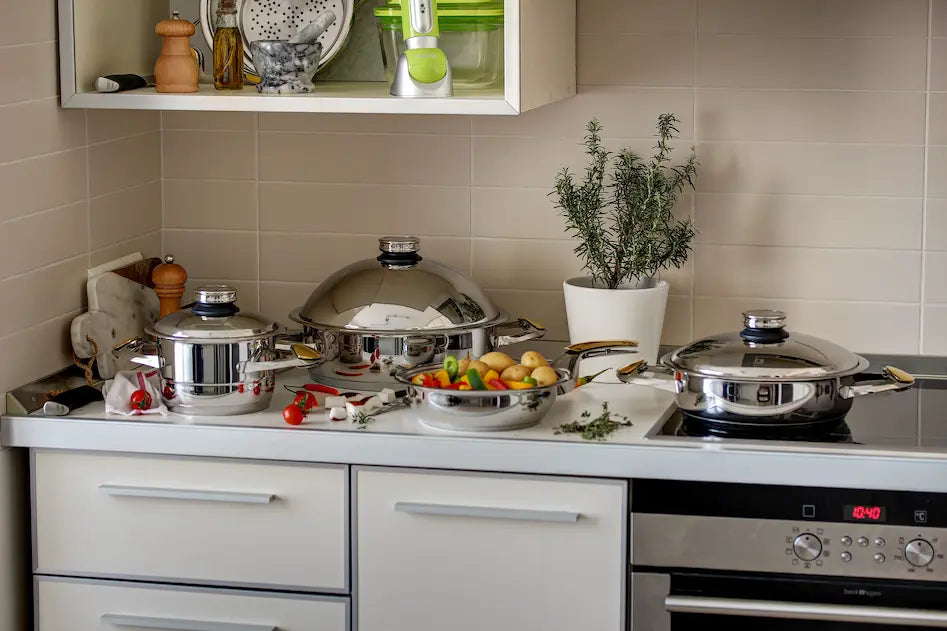


Stainless Steel Pan Guide for New Zealand Kitchens

Quick answer: A stainless steel pan is a smart pick if you want great browning, high-heat cooking, and a pan that can last for years. Look for a thick, heavy base for even heat, confirm induction compatibility if you cook on induction, and use a simple preheat plus oil routine to reduce sticking.
Searching for a 'stain steel pan' in NZ usually means you are after a stainless steel frying pan or skillet that can handle everyday cooking without the wear and tear that softer coatings can get. Below we break down what to look for, how to cook with stainless steel so food releases cleanly, and how to choose the right size for your kitchen.
Why choose a stainless steel pan?
- Better searing and browning: Stainless steel excels at building a golden crust on meat, fish, and vegetables, which also powers tasty pan sauces.
- High-heat friendly: It is a great material for preheating and cooking at higher temperatures than many non-stick coatings.
- Durable and long-lasting: With normal care, stainless steel can stay in rotation for years.
- Versatile: From eggs (with the right technique) to steaks and stir-fries, it covers a lot of ground.
If you are shopping our range, start with our frying pans collection, or explore the broader cookware lineup in Masterpiece Cookware.
What to look for when buying a stainless steel pan in NZ
1) Construction: the base matters most
The biggest difference you will feel day to day is how evenly the pan heats. A thicker base helps spread heat, reduces hot spots, and makes cooking more predictable. Many quality pans use an encapsulated base or multi-layer build to improve heat distribution.
2) Size and shape
For many NZ households, a 24 cm pan is a great everyday option, while a 28 cm pan gives you more room for family meals or batch cooking. If you want a single do-it-all size, we often see people land on 28 cm.
Example: a roomy option like the 28 cm frying pan with lid can be handy when you want to finish dishes gently, reduce splatter, or keep moisture in.
3) Induction compatibility
If you cook on induction, check that the pan base is magnetic. A quick test is whether a magnet sticks to the bottom. Many stainless steel pans are induction-ready, but not all are.
4) Handles, lids, and comfort
Look for a handle that feels stable in your hand and stays comfortable when you lift a full pan. Lids are useful if you like to steam-finish chicken, braise veggies, or keep heat in while you reduce sauces.
How to cook with stainless steel without the stick
Preheat, then oil
Stainless steel rewards a simple routine. Preheat the pan over medium heat for a minute or two, then add oil and let it warm until it shimmers. This helps create a barrier so food is less likely to grab onto the metal.
Dry food releases better
Pat proteins dry and avoid adding very cold food straight from the fridge if you can. When food is too wet or the pan is not hot enough, it is more likely to stick.
Do not move food too early
When you add food, give it time to form a crust. Once it browns, it will usually release on its own. If you try to flip too soon, it can tear and leave bits behind.
Deglaze for easy cleanup and better flavour
If you have browned bits on the bottom, that is flavour. Add a splash of water, stock, or wine and gently scrape with a wooden spoon to lift the fond. This makes a quick sauce and often makes cleaning easier too.
Best uses for a stainless steel pan
Stainless steel shines when you want a bit of colour and caramelisation. These are some of the most common jobs we use it for:
- Steaks, chops, and chicken thighs: Build a crust, then finish gently with a lid or in the oven if your pan is oven-safe.
- Fish with skin: Preheat well, oil the pan, and let the skin crisp before you try to move it.
- Vegetables: Mushrooms, cabbage, and broccoli brown nicely and pick up flavour from the pan.
- Pan sauces: Deglaze browned bits with stock or wine, then reduce and finish with butter or a splash of cream.
Understanding stainless steel grades, in plain terms
You will often see terms like 18/10, 18/8, 304, or 316. These labels refer to the mix of metals in the stainless steel. In cookware, the key idea is corrosion resistance and how well the surface holds up to salt, acids, and regular washing.
- 18/10 (often 304): Common in quality cookware and a solid all-round choice for most kitchens.
- 316: Sometimes used in premium ranges for extra resistance in harsher conditions, including salty or acidic cooking.
Even with a good grade, performance still comes down to design. A thick base and good heat distribution usually matter more than chasing a specific number on the label.
Common stainless steel pan problems and quick fixes
Food sticks every time
Usually this is a heat issue. Try a longer preheat over medium heat, then add oil and wait for it to shimmer. Also avoid crowding the pan, since steam builds up and makes food grab.
White haze or rainbow marks
This can happen from minerals in water or high heat. It is usually cosmetic. A gentle wipe with vinegar, then a rinse and dry, often clears it.
Burnt oil or dark residue
If oil smokes heavily, the pan may be too hot. Lower the heat, wipe out excess oil, and start again. For residue, soak in warm water and use a non-abrasive scrubber. If needed, use a stainless-safe cleaner.
Warping
Warping is more likely with thin pans or sudden temperature changes. Let the pan cool before rinsing, and avoid blasting high heat when the pan is empty for long periods.
Stainless steel vs non-stick: which should you pick?
We see most kitchens do best with both. Stainless steel is the go-to for browning, pan sauces, and high-heat cooking. Non-stick can be great for delicate foods and lower-heat cooking. If you are weighing options, our guide on the best non-stick pans in NZ can help you compare.
Care and cleaning tips
- Let the pan cool before rinsing: Sudden temperature changes can warp cookware over time.
- Use warm water and a soft scrubber: Most messes come off with a soak.
- For stubborn marks: A paste of baking soda and water, or a stainless-safe cleaner, can help.
- Avoid storing salty or acidic food in the pan: It is a simple habit that can reduce staining and pitting.
Want a deeper dive into materials and what makes stainless steel cookware different? Read our overview on stainless steel cookware.
FAQs
Are stainless steel frying pans any good?
Yes, if you want a pan that can sear well, handle high heat, and last for years. Stainless steel needs a bit of technique to prevent sticking, but once you preheat properly and use enough oil, it performs brilliantly for browning, pan sauces, and everyday frying.
What is the best grade of stainless steel for a pan?
For most home cooks, 18/10 (often written as 304) is the common sweet spot for durability and corrosion resistance. Some premium ranges use 316 stainless steel, which can offer extra resistance to salt and acids. More important than the grade alone is a good thick base, ideally a multi-layer or encapsulated base for even heating.
How do you stop food sticking to a stainless steel pan?
Preheat the pan, then add oil and let it shimmer before adding food. Start with dry, room-temperature ingredients where possible, and do not move food too early. Once a crust forms, it releases naturally. If you add food to a cold pan or crowd it, sticking is more likely.
Are stainless steel pans safe for cooking?
In general, stainless steel cookware is widely used and considered safe for typical cooking. Like many materials, small amounts of metals can migrate into food under certain conditions, especially with long cooking of very acidic foods. If you are concerned, avoid storing acidic foods in the pan and follow the care instructions for your cookware.
Can you use stainless steel pans on induction?
Many stainless steel pans work on induction, but only if the base is magnetic. A quick check is whether a fridge magnet sticks to the bottom. Multi-layer or encapsulated bases are common in induction-ready stainless steel pans.
Next steps
- Browse frying pans
- Explore Masterpiece Cookware
- Learn how stainless steel cookware works
- Is it healthy to cook with stainless steel pans?
- How do you stop food sticking to a stainless steel pan?
- Stainless steel frying pan: how to choose the right size