


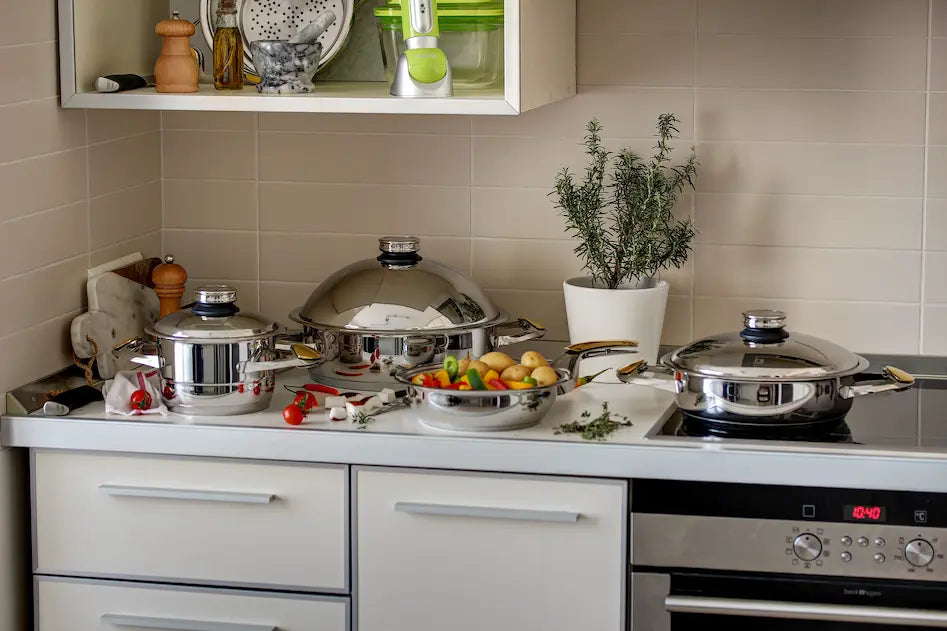


What Type of Pan Is Best for Frying? The NZ Pan Test

Quick answer: The best pan for frying is the one that matches the food, heat level and cooktop. For most New Zealand homes, a quality stainless steel frying pan is the best all-rounder because it is durable, responsive and suitable for searing, browning and everyday frying. A non stick pan is best for eggs, pancakes and delicate fish. Cast iron is excellent for high-heat searing, but it is heavier and needs more care. If you want one refined everyday choice, we recommend starting with a well-built stainless steel or hybrid-style pan from our Masterpiece Cookware range.
When people ask what type of pan is best for frying, they are usually trying to avoid three problems: food sticking, uneven browning and buying a pan that wears out too quickly. We see the best results when the decision starts with cooking style, not hype. A pan for fried eggs does not need to behave like a pan for steak, and a pan for quick weeknight vegetables does not need the same weight as a cast iron skillet.
For shoppers comparing options now, our frying pans collection is the practical place to start. For a premium pan with generous capacity, the Zepter URA 28cm frying pan with lid is a strong Masterpiece Cookware option to consider for family-size frying, browning and covered finishing.
The fast verdict for NZ kitchens
Stainless steel is the most versatile frying pan material for confident home cooks. It handles higher heat than many coated pans, builds flavour through browning and can move from everyday onions to steaks, schnitzel, vegetables and pan sauces. It asks for better technique, especially preheating and oil control, but it rewards that technique with more control.
Non stick is the comfort choice. It helps with low to medium heat foods that are fragile or prone to tearing, such as omelettes, crepes, pancakes and fish fillets. The trade-off is durability. Coatings can scratch, lose release performance or require gentler utensils and lower heat. We recommend thinking of non stick as a specialist pan, not the only pan in the kitchen.
Cast iron is the heat-retention hero. It can create deep browning and hold heat well once hot, but it is slow to heat, heavy to lift and needs drying or seasoning care. It suits cooks who enjoy a more traditional tool and do not mind the maintenance.
Meet the pan personalities
Stainless steel: the serious everyday performer
Choose stainless steel when you want a long-lasting frying pan for browning, sautéing and searing. A good stainless steel pan can feel less forgiving at first, but once it is properly preheated and paired with enough fat, food releases more easily. This is why stainless steel is often favoured by cooks who care about texture and flavour.
Non stick: the delicate-food specialist
Choose non stick when release matters more than searing. It is especially useful for eggs, pancakes, soft fish and quick breakfasts. Keep the heat moderate, avoid metal utensils unless the manufacturer clearly allows them, and replace the pan when the cooking surface is badly scratched or no longer releases food well.
Cast iron: the weighty searing classic
Choose cast iron for steak, chops, cornbread-style baking and recipes that benefit from strong heat retention. It is not the easiest pan for every household because it can be heavy and reactive if seasoning is poor, but cared for well, it can last for many years.
Why Masterpiece Cookware earns a place on the hob
Our Masterpiece Cookware range is made for cooks who want fewer compromises. Rather than treating a frying pan as a disposable kitchen item, we position it as a long-term cooking tool. The Zepter URA frying pan options in our range are designed for everyday frying with a premium feel, practical sizes and lid options that help you finish food gently after browning.
That matters because frying is rarely just one technique. You may start onions over moderate heat, increase heat for colour, lower heat to protect garlic, then cover the pan to finish vegetables or proteins. A considered pan makes that sequence feel controlled. That is the difference between a cheap pan that only survives easy jobs and a masterpiece pan that invites better cooking habits.
How to match the pan to the food
| Frying job | Best pan type | Why it works |
|---|---|---|
| Eggs, omelettes and pancakes | Non stick | Easy release at low to medium heat |
| Steak, chicken thighs and schnitzel | Stainless steel or cast iron | Better browning and heat tolerance |
| Vegetables and stir-fry style meals | Stainless steel, wok or sauté pan | Responsive heat and room to move food |
| Fish fillets | Non stick or well-preheated stainless steel | Protects delicate texture |
| One-pan family meals | Large stainless steel pan with lid | Enough surface area plus covered finishing |
Buying checks skeptical cooks should run
Check the base, not just the top diameter
Pan sizes often refer to the top diameter, but the base is what touches the element. A base that suits your hob heats more evenly and feels more stable. This is especially important on ceramic and induction cooktops.
Confirm induction compatibility
If you use induction, look for an induction-suitable base. A magnetic base is essential for induction performance. Do not assume every stainless steel or non stick pan will work.
Look for usable weight
A heavier pan can feel premium and hold heat well, but it still needs to be practical when full. For everyday frying, the best pan is sturdy without being awkward to lift, tilt or wash.
Read the care instructions before you buy
Dishwasher-safe does not always mean dishwasher-recommended for long-term finish and performance. If you want your pan to look good and cook well for years, hand-washing is often the safer habit, especially for stainless steel and coated surfaces.
Care rituals that protect performance
Good frying pan care begins before food goes in. Preheat gradually, add oil once the pan is ready, and avoid blasting an empty non stick pan over high heat. With stainless steel, give proteins time to brown before moving them. If food is stuck, it may simply need more time to release.
After cooking, let the pan cool before washing. Sudden cold water on a hot pan can risk warping. Use warm water, mild detergent and a soft sponge for daily cleaning. For stainless steel residue, soaking first is usually better than aggressive scraping. Dry the pan well before storing to protect the surface and reduce water spots.
FAQs
What type of pan is best for frying?
For most NZ kitchens, a quality stainless steel frying pan is the best all-rounder for frying because it is durable, versatile and suitable for browning. Use non stick for eggs and delicate foods, and cast iron for high-heat searing if you are comfortable with extra weight and care.
What should I avoid when buying a frying pan?
Avoid buying only on price, top diameter or vague non toxic claims. Check the cooking surface, base size, induction suitability, handle comfort, oven limits and care instructions before choosing.
What pans does Gordon Ramsay use?
Gordon Ramsay is publicly associated with hybrid stainless steel and non stick cookware, but we recommend using celebrity choices as inspiration rather than a buying rule. Focus on material, heat control, size and whether the pan suits the way you fry.
What is a frying pan crossword clue 7 letters?
A common 7-letter answer for a frying pan crossword clue is skillet. In everyday NZ shopping, skillet and frying pan are often used for similar pan shapes, although skillet can also suggest cast iron.
Is a frying pan dishwasher-safe or does it need hand-washing?
Some frying pans are labelled dishwasher-safe, but hand-washing is usually gentler and better for long-term finish, coating life and pan shape. Always follow the care instructions for your specific pan.
Is a frying pan oven-safe, and what temperatures should I watch for?
Oven safety depends on the pan material, coating, handle and lid. Stainless steel pans are often more oven-capable than coated pans, but you should always check the manufacturer temperature limit before using a frying pan in the oven.
What should I look for when buying a frying pan?
Look for the right pan material, a stable base, comfortable handle, induction compatibility if needed, suitable size, realistic care requirements and a cooking surface that matches your foods.
How do I choose the right size frying pan?
Choose 20cm to 24cm for eggs and small meals, 26cm to 28cm for everyday family frying, and larger pans only if your hob can heat the base evenly. Match the pan base to your element where possible.
How long should a good-quality frying pan last?
A well-made stainless steel or cast iron frying pan can last for many years with proper care. Non stick pans usually have a shorter useful life because the release surface can wear, scratch or lose performance over time.
How do I clean and care for a frying pan?
Let the pan cool, wash with warm water and mild detergent, use a soft sponge, soak stuck food before cleaning, and dry thoroughly. Avoid harsh thermal shock, abrasive pads on delicate surfaces and overheating empty coated pans.
Next steps
- Shop frying pans
- Explore Masterpiece Cookware
- Read the Zepter URA frying pan guide
- Compare the best non stick pans in NZ
- Learn more about stainless steel pans