




The Clean Kitchen Test: How to Choose the Best Non Toxic Cookware in NZ

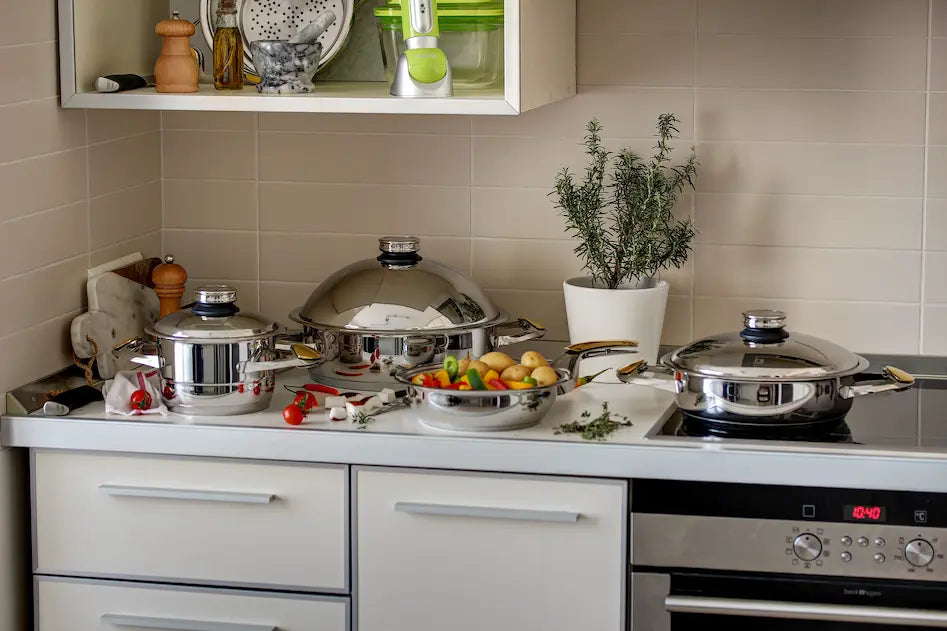
Quick answer: The best non toxic cookware for most New Zealand homes is high quality stainless steel with a stable base, clear material information and care instructions you can follow. It avoids disposable coating worries, handles everyday meals well and can last for years when used correctly.
When people search for the best non toxic cookware, they are usually not looking for a perfect label. They are looking for confidence. They want to know what will touch their food, how the pan behaves under heat, whether it will suit induction or gas, and when a tired pan should be replaced.
We take a practical view. Non toxic cookware should be safe for normal home cooking, durable enough for repeated use and transparent about its materials. That is why we usually place stainless steel at the top of the shortlist, then compare it with cast iron, carbon steel, glass, ceramic coated and traditional non stick options.
For shoppers comparing options now, start with our Masterpiece cookware collection or browse cookware sets if you want matched pots and pans for a full kitchen setup.
What non toxic cookware means in real life
The phrase non toxic cookware is used widely, but it can mean different things. In practical terms, we use it to describe cookware that reduces avoidable exposure from damaged coatings, poorly explained materials or unsafe use. It does not mean every pan is risk-free in every situation.
A good choice still needs good habits. Do not overheat an empty pan, do not keep using a surface that is flaking or peeling, and do not ignore the care instructions. Consumer NZ advises replacing non stick pans when the coating is flaking, peeling or deeply gouged, which is a useful rule for any coated cooking surface.
Best materials to consider
Stainless steel
Stainless steel is our strongest everyday recommendation because it is uncoated, durable and versatile. It is excellent for searing, simmering, sauces, vegetables, pasta, soups and one-pan meals. A multi-layer or heavy base helps spread heat, so food cooks more evenly and the pan feels stable on the hob.
The trade-off is technique. Stainless steel is not naturally as slippery as a coated non stick pan, so it rewards proper preheating, enough cooking fat and patience. If food sticks, it is often because the pan was too cold, too hot or overcrowded.
Cast iron and carbon steel
Cast iron and carbon steel can become impressively low-stick after seasoning. They are durable and excellent for high heat cooking, but they need maintenance. They can react with acidic foods, may be heavy and are not always the easiest choice for people who want simple cleaning.
Glass and ceramic bakeware
Glass is useful for baking, roasting and storage because it is non-reactive and easy to inspect. It is less suited to stovetop cooking unless the product is specifically designed for that use. Ceramic coated cookware can feel convenient, but the coating still needs gentle care and may not last as long as uncoated stainless steel.
Traditional non stick
Modern non stick can be convenient for eggs, pancakes and delicate fish. The concern is not only what the pan is called, but how it is used and how long the surface stays intact. If you choose non stick, keep heat moderate, avoid metal utensils and replace it when the surface is damaged.
For pan-specific comparisons, our guide to best non stick pans in NZ explains where non stick still makes sense and where stainless steel may be the better long-term choice.
Our buying checklist for the best non toxic cookware
- Material clarity: Check whether the pan is stainless steel, cast iron, carbon steel, glass, ceramic coated or PTFE based non stick.
- Base quality: Choose a stable base that sits flat and suits your hob, especially for induction.
- Heat control: Look for cookware that performs well at low to medium heat as well as searing heat.
- Handles and lids: Confirm whether handles and lids are oven-safe before using them in the oven.
- Cleaning: Pick cookware you will actually care for properly.
- Replacement rules: Avoid continuing to use damaged coatings or warped pans.
How to choose by cooking style
If you cook mostly vegetables, pasta, rice dishes, soups and sauces, stainless steel pots and sauté pans are a strong base. For steak, mushrooms, onions and browning, stainless steel, carbon steel or cast iron can give better colour than a delicate coated pan.
If you cook eggs daily, you may still want one dedicated low-heat pan, but it should be treated as a specialist tool rather than the only cookware in the kitchen. If you use induction, read our induction cookware NZ guide before choosing a base.
For size planning, a small pan is useful for single portions, a mid-size pan suits most daily meals and a larger pan gives food space to brown. Overcrowding is one of the easiest ways to create sticking, steaming and uneven cooking.
Care habits that make cookware safer and longer lasting
Good cookware can be ruined by poor care. Let pans cool before washing, avoid sudden temperature shocks and use non-abrasive tools unless the material can handle them. Store pans with protection between surfaces so edges and finishes are not scratched.
For stainless steel, stuck food is usually manageable. Soak the pan, loosen residue with warm water and use a gentle paste if needed. Avoid aggressive scraping that marks the surface. For coated cookware, be more cautious and follow the maker guidance exactly.
When to replace cookware
Replace cookware when a coating is flaking, peeling or deeply scratched, when a pan is warped enough to wobble on the hob, or when damaged handles or lids create a safety concern. Stainless steel can often be restored with cleaning, but coatings usually cannot be repaired once they fail.
Our verdict
The best non toxic cookware is not the pan with the loudest claim. It is the cookware that gives you material transparency, steady heat, long service life and realistic care. For most NZ homes, we recommend building around quality stainless steel, then adding specialist pieces only where your cooking style truly needs them.
FAQs
What is the least toxic cookware?
For most everyday NZ kitchens, we recommend high quality stainless steel as the first choice because it is durable, uncoated, easy to clean and suitable for a wide range of cooking styles. Cast iron, carbon steel and glass can also be good options when they suit the recipe and are cared for correctly.
How do I choose the right size of non toxic cookware?
Start with how many people you cook for and what you cook most often. A 20 cm pan suits eggs, small sides and one person meals, a 24 cm pan suits everyday family use, and a 28 cm pan gives more room for searing, batch cooking and larger portions.
What should I look for when buying non toxic cookware?
Look for clear material information, a stable base, good heat distribution, oven and induction compatibility where needed, comfortable handles and care instructions you can realistically follow. Avoid vague non toxic claims that do not explain the coating or core material.
How do I clean and care for non toxic cookware?
Let cookware cool before washing, use warm water and a soft sponge, and avoid harsh scouring on polished stainless steel or coated surfaces. For stainless steel, soaking and a paste of baking soda and water can help lift stuck food without aggressive abrasion.
How long should good-quality non toxic cookware last?
Uncoated stainless steel cookware can last for many years when used and cleaned correctly. Coated cookware usually has a shorter life because the surface can wear, scratch or lose release performance over time.
Is non toxic cookware dishwasher-safe or does it need hand-washing?
Some cookware is labelled dishwasher-safe, but we usually recommend hand-washing to protect the finish, handles and edges. Always follow the care guide for the exact pan or pot you own.
Are there common mistakes people make with non toxic cookware?
The most common mistakes are overheating an empty pan, using metal utensils on delicate surfaces, shocking a hot pan with cold water, stacking pans without protection and choosing a size that overcrowds the food.
Is non toxic cookware oven-safe, and what temperatures should I watch for?
Oven safety depends on the cookware body, handles, lids and any coating. Always check the product guidance before oven use, especially for glass lids, silicone parts and non stick surfaces.
What does non-toxic cookware actually mean?
Non toxic cookware usually means cookware designed to reduce avoidable chemical exposure during normal cooking. The term is not always tightly defined, so the safest approach is to check the material, coating, care instructions and replacement guidance.
How do I avoid warping or hot spots with non toxic cookware?
Choose cookware with a heavy, stable base, preheat gradually, match the pan size to the hob zone and avoid rapid temperature changes. Give food enough surface area so the pan can hold steady heat instead of steaming and cooling unevenly.
Next steps
- Browse Masterpiece cookware
- Compare frying pans
- Explore pots for everyday cooking
- Read our best non stick pans NZ guide
- Learn if stainless steel pans are healthy to cook with