


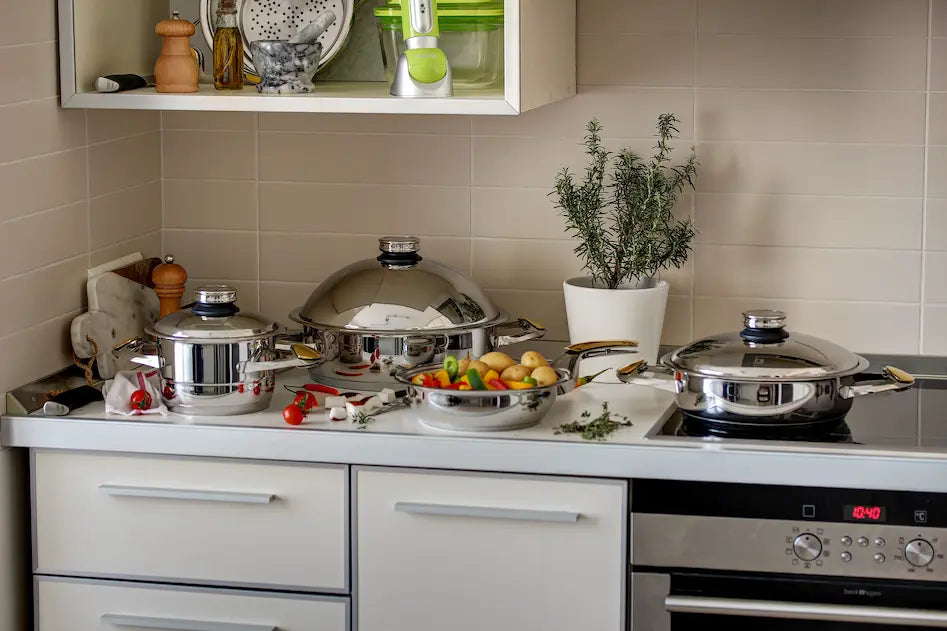


Stainless Steel Frying Pan NZ: Why MasterPiece Changes Daily Cooking

Quick answer: A stainless steel frying pan is worth choosing when you want a durable, versatile pan for browning, searing, sautéing and everyday meals. For NZ buyers, the main decision is not just stainless steel versus nonstick. It is whether the pan has the build quality, heat control and cookware system behind it to make daily cooking easier. That is where Zepter MasterPiece Cookware stands out.
A great frying pan should not feel like a disposable kitchen item. It should feel stable in the hand, heat evenly, clean well and support the way you actually cook. At Zepter Kitchen, we see a stainless steel frying pan as part of a bigger cooking system, not a single pan bought in isolation. You can explore our full frying pans collection, compare options inside MasterPiece Cookware, or start with a practical everyday option such as the 24 cm URA frying pan with lid.
Why stainless steel frying pans are popular in NZ kitchens
Stainless steel is popular because it is tough, versatile and well suited to real cooking. It can handle browning meat, sautéing vegetables, reducing pan sauces and moving from quick weekday meals to slower weekend cooking. Unlike many lightweight pans, a well built stainless steel frying pan encourages you to control heat rather than simply turning the element up.
That heat control is important. Stainless steel performs best when you preheat the pan, add oil at the right moment and give food time to release naturally. This is why a stainless pan may feel different at first if you are used to basic nonstick cookware. Once the technique clicks, it can become the pan you reach for when flavour matters.
For buyers comparing options, our stainless steel cookware NZ guide explains the broader material story, while our stainless steel pan guide for NZ kitchens covers the wider pan category.
What makes Zepter MasterPiece Cookware special
Zepter MasterPiece Cookware is designed for people who want cookware to feel considered, durable and cohesive. Rather than buying a random pan today and a mismatched pot later, you can build a set around the meals you cook most often. We recommend starting with the frypan size you will use every week, then adding pots, casseroles and accessories that work as a system.
The MasterPiece range is special because it brings together premium stainless steel presentation, practical capacity choices, lid options and a high quality cooking feel. It is made for everyday meals, but it also looks refined enough for a kitchen where design matters. If you are building beyond one pan, compare the cookware sets collection, the 20 cm URA pan with lid and the larger 28 cm URA frying pan with lid.
How to choose the right stainless steel frying pan
Choose the right size first
A 20 cm pan is useful for small portions, quick sides and compact kitchens. A 24 cm pan is the everyday sweet spot for many households because it suits vegetables, chicken pieces, omelette style dishes and smaller one pan meals. A 28 cm pan gives more surface area for steaks, family portions and cooking without crowding the pan.
If you often cook for one or two people, the 20 cm URA pan without lid can be a compact starting point. For more generous meals, look at the 28 cm URA frying pan without lid or choose the lidded version when simmering, steaming or covered cooking is part of your routine.
Think about heat source compatibility
Many NZ homes are moving to induction, so it is worth checking compatibility before you buy. A frying pan should sit flat, feel stable and work with the cooktop you use now or may use later. If you are comparing cookware for modern cooktops, read our cookware for induction cooktop guide and our induction cooktop pans NZ guide.
Look for a system, not just a single pan
One stainless steel frying pan can change your cooking, but a coordinated cookware system makes the kitchen easier. A frypan handles browning and quick meals. Casseroles support soups, rice, sauces and braising. Larger pots help with pasta, stocks and family cooking. To build a practical MasterPiece setup, compare a frypan with the 24 cm URA casserole, the 5 litre pot and the MasterPiece cookware strainer.
Stainless steel versus nonstick
Stainless steel and nonstick are not enemies. They solve different jobs. Stainless steel is the better choice when you want browning, searing and long term resilience. Nonstick is useful when food release is the priority, especially for delicate ingredients and low oil cooking. A premium kitchen often includes both, but stainless steel is the foundation when you want cookware that feels substantial and capable.
Our best non stick pans NZ guide explains where nonstick makes sense, while what type of pan is best for frying helps you match pan material to cooking style.
How to cook well with stainless steel
Start with medium heat rather than maximum heat. Let the pan warm, add oil, then add food when the oil moves easily across the surface. Avoid overcrowding the pan because moisture reduces browning and can make food stick. Give proteins time to form a crust before turning them. When food is ready, it usually releases more easily.
If food sticks, it does not always mean the pan has failed. It may mean the pan was too cold, too hot, the food was moved too soon, or the surface needed more fat. Stainless steel rewards patience and technique. Once you understand that rhythm, it becomes a confident daily pan.
Care and cleaning tips
Let the pan cool slightly before washing. Use warm water, mild detergent and a soft cloth or sponge. For stuck food, add warm water, soak briefly, then loosen residue gently. Dry the pan after washing to help preserve the polished look.
Avoid sudden temperature shock, harsh scraping and leaving salty or acidic food sitting in the pan for long periods. If you want to understand both the advantages and tradeoffs, read our guide to downsides to stainless steel cookware and our guide asking is stainless steel the best cookware.
Who should choose a Zepter MasterPiece stainless steel frying pan?
Choose MasterPiece if you want cookware that feels premium, looks refined and supports a more intentional kitchen. It suits home cooks who want to improve browning, reduce the cycle of replacing cheaper pans and build a more complete cookware setup over time.
It is also a strong choice if you care about presentation. A polished stainless steel pan looks at home in a modern NZ kitchen, especially when paired with matching MasterPiece pots and casseroles. To see the range story in one place, visit our MasterPiece cookware information page or browse all Zepter Kitchen products.
FAQs
Are stainless steel frying pans any good?
Yes. A stainless steel frying pan is a strong choice for NZ kitchens when you want durability, browning, searing and cookware that can handle daily use. It takes a little heat control, but once you learn preheating and oil timing, it becomes one of the most versatile pans in the kitchen.
What foods should not be cooked in a stainless steel pan?
No everyday food is automatically off limits, but very delicate foods such as eggs, thin fish fillets and pancakes can stick if the pan is too cold, too hot or not oiled correctly. Start with meats, vegetables and stir fries while you learn the heat, then move to more delicate foods.
Is it better to fry in stainless steel or nonstick?
Choose stainless steel when you want searing, browning, durability and high heat control. Choose nonstick when low effort release is the main priority. Many NZ kitchens work best with both, using stainless steel for serious frying and nonstick for delicate or quick tasks.
Do chefs use non-stick or stainless steel?
Many chefs use stainless steel because it is durable, responsive and excellent for building flavour through browning. Nonstick still has a place for eggs and delicate foods, but stainless steel is often preferred when performance and longevity matter.
Is stainless steel frying pan dishwasher-safe or does it need hand-washing?
Always check the product care instructions. Many stainless steel pans can tolerate dishwasher cleaning, but hand washing is often better for keeping the surface bright, protecting lids and preserving the polished finish.
Is stainless steel frying pan oven-safe, and what temperatures should I watch for?
Check the exact product instructions before using any pan in the oven. Stainless steel bodies are often oven capable, but handles, lids, knobs and coatings can change the safe temperature limit.
What should I look for when buying stainless steel frying pan?
Look for a stable base, even heat distribution, comfortable handles, lid options, induction compatibility, quality stainless steel construction and a size that suits your usual meals. A premium range should also fit into a broader cookware system.
How do I choose the right size of stainless steel frying pan?
Choose 20 cm for small portions and sides, 24 cm for everyday cooking, and 28 cm for family portions, steaks, larger vegetables and one pan meals. If you cook for more than two people often, 24 cm or 28 cm will usually feel more practical.
How long should good-quality stainless steel frying pan last?
A good-quality stainless steel frying pan should last for many years when used and cleaned properly. Lifespan depends on construction, heat habits, cleaning, storage and whether the pan is repeatedly overheated.
How do I clean and care for stainless steel frying pan?
Let the pan cool slightly, wash with warm water and mild detergent, then dry it well. For stuck food, soak briefly and loosen residue gently. Avoid harsh scraping, sudden temperature shock and leaving salty or acidic food sitting in the pan for long periods.
Next steps
- Shop Zepter frying pans
- Browse MasterPiece Cookware
- View the 24 cm URA frying pan with lid
- View the 28 cm URA frying pan with lid
- Compare cookware sets
- Read the Zepter URA frying pan guide